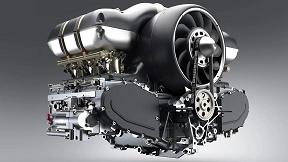
As the automotive industry continues to evolve, the debate between traditional V8 engines and the newer turbocharged V6 configurations becomes increasingly relevant. With rising fuel prices and stringent emissions regulations, manufacturers are pressured to optimize their vehicles for fuel economy without compromising performance. This shift has led to a significant transformation in engine design, prompting many to question whether automakers have sacrificed reliability for the sake of improved fuel efficiency. This article delves into the pros and cons of both engine types, exploring their reliability, performance, and the impact of advancements in technology on their longevity.
V8 engines have long been synonymous with power and performance. These robust powerhouses typically offer higher horsepower and torque, making them a favorite among enthusiasts who crave a thrilling driving experience. However, these advantages come at a cost, particularly in terms of fuel consumption. Traditional V8 engines are often less efficient than their turbocharged counterparts, leading to higher fuel bills and increased emissions. Despite this, many manufacturers continue to produce V8 engines, catering to a loyal customer base that prioritizes performance over fuel economy. The question remains: can automakers strike a balance between delivering the power that consumers desire and meeting modern fuel efficiency standards?
On the other hand, turbocharged V6 engines have gained significant popularity in recent years, primarily due to their remarkable fuel efficiency and reduced emissions. By utilizing forced induction, these engines can produce power comparable to that of a traditional V8 while consuming less fuel. This efficiency is particularly appealing to consumers who are increasingly environmentally conscious and looking to reduce their carbon footprint. However, the complexity of turbocharged systems can lead to concerns about long-term reliability. With more moving parts and the potential for turbo lag, some enthusiasts fear that these engines may not hold up as well over time compared to their simpler V8 counterparts.
As we analyze the reliability of V8 versus turbo V6 engines, it's essential to consider the advancements in technology that have influenced both engine types. Modern V8 engines have benefited from improvements in fuel injection systems, materials, and engineering practices, leading to better fuel efficiency and lower emissions than ever before. These advancements have helped to dispel some myths surrounding V8 reliability. Conversely, turbocharged V6 engines have also seen significant improvements, with manufacturers implementing better cooling systems and enhanced materials to mitigate the risks associated with turbocharging. The ongoing development in both engine types indicates that reliability may not be as clear-cut as it once seemed.
Another factor influencing the V8 versus turbo V6 debate is consumer perception. Many drivers have a deep-seated affinity for the throaty rumble and raw power of a V8 engine. This emotional connection often overshadows the practical benefits of a turbocharged V6. Manufacturers recognize this sentiment and have worked to create turbocharged engines that deliver a satisfying driving experience without sacrificing the performance that enthusiasts crave. The challenge lies in convincing consumers that a turbocharged V6 can provide the same excitement and reliability they associate with a traditional V8. This marketing hurdle can be significant as consumers weigh their options in an increasingly competitive automotive landscape.
Ultimately, the choice between a V8 and a turbocharged V6 comes down to individual preferences and priorities. Drivers who prioritize raw power and performance may lean towards V8 engines, while those focused on fuel economy and environmental impact may find themselves more inclined to choose a turbo V6. Additionally, as technology continues to evolve, the lines between these two engine types may continue to blur, leading to new innovations that enhance both reliability and performance. As automakers strive to meet consumer demands in an ever-changing market, the future of engine design remains an exciting space to watch.
In conclusion, the debate between V8 and turbo V6 engines is multifaceted, influenced by advancements in technology, consumer preferences, and the automotive industry's commitment to sustainability. While it may seem that automakers have sacrificed reliability for fuel economy, the reality is more nuanced. Both engine types have their unique advantages and challenges, and the choice ultimately depends on what drivers value most in their vehicles. As we move forward, it's essential for consumers to stay informed about the latest developments in engine technology, ensuring they make the best decision for their driving needs.
While turbocharged V6 engines have more moving parts and complex systems, modern advancements in technology have improved their reliability. Many manufacturers have implemented better cooling systems and materials to enhance durability. Overall reliability can depend on factors such as maintenance, driving habits, and the specific engine design.
The primary advantages of a V8 engine include higher horsepower and torque output, providing a more thrilling driving experience. V8 engines also typically have a simpler design, which can translate to easier maintenance and repair. Enthusiasts often appreciate the distinct sound and feel of a V8 engine, making it a preferred choice for performance-oriented drivers.
Turbocharged V6 engines use forced induction to compress air, allowing for denser air-fuel mixtures that lead to more efficient combustion. This increased efficiency allows turbo V6 engines to produce power similar to that of a V8 while consuming less fuel. Additionally, advancements in engine technology, such as direct fuel injection, further enhance fuel economy.
The future of automotive engines may not favor one type over the other, as both V8 and turbocharged V6 engines have their respective markets. With increasing environmental regulations, turbo V6 engines may become more prevalent in mainstream vehicles, while V8 engines will likely remain popular among enthusiasts. The automotive industry will continue to innovate, potentially leading to hybrid solutions that combine the best aspects of both engine types.
For quotes on the latest engine technology and automotive trends, contact us today!
```