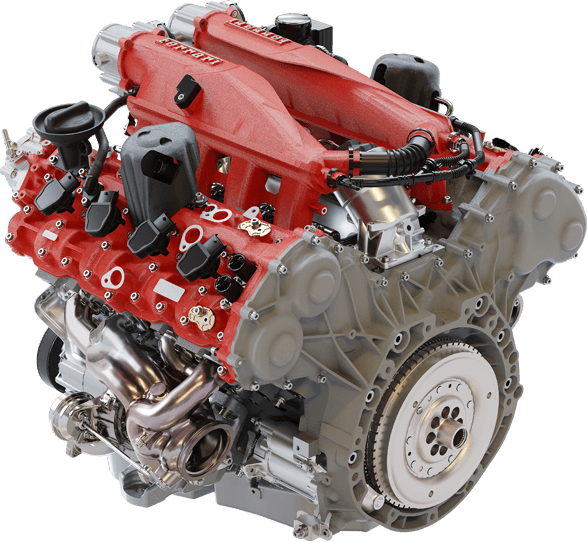
When it comes to replacing an engine, car owners face a crucial decision: should they opt for a used engine or a remanufactured engine? As we move into 2026, this question becomes increasingly relevant due to the evolving automotive landscape and the economic factors influencing vehicle maintenance. Used engines are typically sourced from dismantled vehicles and sold as-is, often at a lower price point. They may exhibit signs of wear and tear and come with limited warranties, making them a gamble for budget-conscious buyers. On the other hand, remanufactured engines undergo a rigorous rebuilding process, which includes replacing worn-out components and ensuring the engine meets or exceeds OEM specifications. This process often results in a more reliable engine, albeit at a higher cost. Understanding the intricacies of both options can help car owners make an informed decision based on their needs and budget.
Cost is often the deciding factor for many vehicle owners when choosing between a used engine and a remanufactured engine. Typically, used engines can be significantly cheaper than their remanufactured counterparts. For those on a tight budget, sourcing a used engine from a reputable salvage yard can often save hundreds, if not thousands, of dollars. However, this lower initial investment can come with hidden costs, such as potential repairs, installation challenges, and the risk of premature failure. In contrast, remanufactured engines, while more expensive, provide a level of assurance. They often come with warranties ranging from one to three years, which can mitigate the financial risk associated with potential engine failures. Moreover, remanufactured engines are tested for performance and reliability, which can translate into cost savings over time due to reduced maintenance and repair needs. Ultimately, the choice depends on the buyer's financial situation and willingness to invest in long-term reliability.
When evaluating performance and reliability, remanufactured engines typically outshine used engines. The remanufacturing process involves disassembling the engine, inspecting every component, and replacing any parts that do not meet stringent quality standards. This meticulous attention to detail ensures that remanufactured engines often operate at or near original factory specifications. Buyers can expect improved performance and durability, which is particularly crucial for those who rely on their vehicle for daily commuting or long-distance travel. In contrast, used engines may have an unknown history, which can lead to unpredictable performance. While it's possible to find a used engine in excellent condition, the risk of hidden issues, such as excessive wear or internal damage, can lead to costly repairs down the line. Therefore, when reliability is a top concern, especially for essential vehicles, investing in a remanufactured engine can provide peace of mind.
One of the most significant advantages of choosing a remanufactured engine over a used engine is the warranty and customer support typically offered. Remanufactured engines often come with a comprehensive warranty that can range from one to three years, covering parts and labor. This warranty offers buyers protection against defects and premature failures, providing a safety net that used engines generally lack. In contrast, used engines may come with limited or no warranty at all, leaving the buyer vulnerable to unexpected costs if the engine fails shortly after installation. Additionally, reputable remanufactured engine suppliers often provide customer support and installation guidance, which can be invaluable for DIY enthusiasts or those working with a mechanic. This level of support can make the remanufactured option more attractive, especially for individuals who may not have extensive mechanical knowledge.
In today's world, environmental factors play an increasingly important role in vehicle maintenance decisions. Remanufactured engines are often seen as the more environmentally friendly option. The remanufacturing process is designed to minimize waste by reusing as many components as possible. This not only reduces the demand for new parts but also decreases the overall carbon footprint associated with manufacturing new engines. Moreover, using a remanufactured engine can extend the life of a vehicle, reducing the likelihood of it ending up in a landfill. On the other hand, while used engines may also offer some level of sustainability by promoting recycling, they do not typically undergo the same level of quality control and environmental consideration as remanufactured engines. For environmentally conscious consumers, the choice of a remanufactured engine can align better with sustainability goals.
When deciding between a used engine and a remanufactured engine, there are several key factors to consider. First, assess your budget and how much you are willing to spend upfront versus what you are prepared to invest in potential repairs down the line. If you decide to go with a used engine, ensure you purchase from a reputable source that offers a limited warranty and detailed information about the engine's history, including mileage and previous performance. Look for engines that have been tested and certified to ensure they meet certain quality standards. If you lean towards a remanufactured engine, research the manufacturers to find those with a solid reputation for quality and customer support. Pay attention to warranty terms, as longer warranties often indicate confidence in the product’s reliability. Finally, consider your own mechanical skills and whether you will be installing the engine yourself or hiring a professional, as this can influence the total cost and effort involved in the replacement process.
The primary differences lie in their condition and the processes they undergo before sale. Used engines are taken directly from other vehicles and sold as-is, often with limited warranties. Remanufactured engines have been disassembled, inspected, and rebuilt with new parts to meet or exceed OEM standards, usually accompanied by a more comprehensive warranty.
While the lifespan of a remanufactured engine can vary based on various factors, including installation quality and maintenance, many remanufactured engines are designed to last as long as a new engine, typically over 100,000 miles. A good warranty often reflects the manufacturer's confidence in the engine's durability.
Yes, several brands are recognized for their high-quality remanufactured engines, including Jasper Engines, ATK Engines, and Motorcraft. When selecting a remanufactured engine, researching the brand's reputation and customer reviews can help ensure you choose a quality product.
For many buyers, the additional cost of a remanufactured engine is justified due to the enhanced reliability, warranty protection, and long-term savings on repairs. Especially for those planning to keep their vehicle for several years, the investment in a remanufactured engine can prove beneficial in the long run.
If you're considering an engine replacement and want to know more about your options, contact us today for a personalized quote tailored to your needs!